Gaps in your attic floor let heated air escape and pull in cold, dusty outdoor air every night. We find every opening and seal it properly so your home holds warmth and your energy bills reflect what a mild coastal climate should actually cost.
Attic air sealing in Watsonville means finding and plugging every gap in the attic floor - around lights, pipes, wires, and the hatch - so conditioned air stays in your living space. Most single-story homes are completed in one day, with no disruption to the areas below.
Think of it like caulking around a drafty window, but done throughout the entire ceiling plane of your home. The work targets the spots that insulation alone cannot address - the actual openings where air moves freely between your living space and the attic. In Watsonville, where homes built before 1980 dominate many established neighborhoods, those gaps have often never been touched since the house was first built.
Attic air sealing is almost always done before or alongside adding insulation above, because new insulation sitting on top of open gaps does not deliver its full value. If your attic also needs more coverage, pairing the sealing work with retrofit insulation on the same visit gets you both benefits at once and keeps the project cost efficient.
If your heater runs but certain rooms still feel chilly on a cool Watsonville morning, conditioned air is escaping through ceiling gaps before it warms the space. The problem is not your heating system - it is an unsealed attic floor letting heat drift up and out all night.
Watsonville sits in the Pajaro Valley, and during dry spells and harvest seasons, fine agricultural dust is regularly in the outdoor air. If that dust is getting inside with windows closed, it is likely traveling through gaps in the attic floor. A musty smell is a similar clue - damp attic air being pulled down into living spaces.
The attic access panel is one of the biggest single air leak points in most homes. If you feel moving air around the edges of the hatch, or the panel feels noticeably cold on a cool Watsonville evening, the attic is not properly sealed off from the space below. That opening alone can cancel out a significant portion of your heating effort.
If you have peeked into your attic and noticed the insulation looks gray and streaked with dark lines, that is evidence that air has been flowing through it for years, carrying dust. Insulation used as an air filter has lost most of its thermal value. Sealing the gaps and then replacing or topping up the insulation restores full performance.
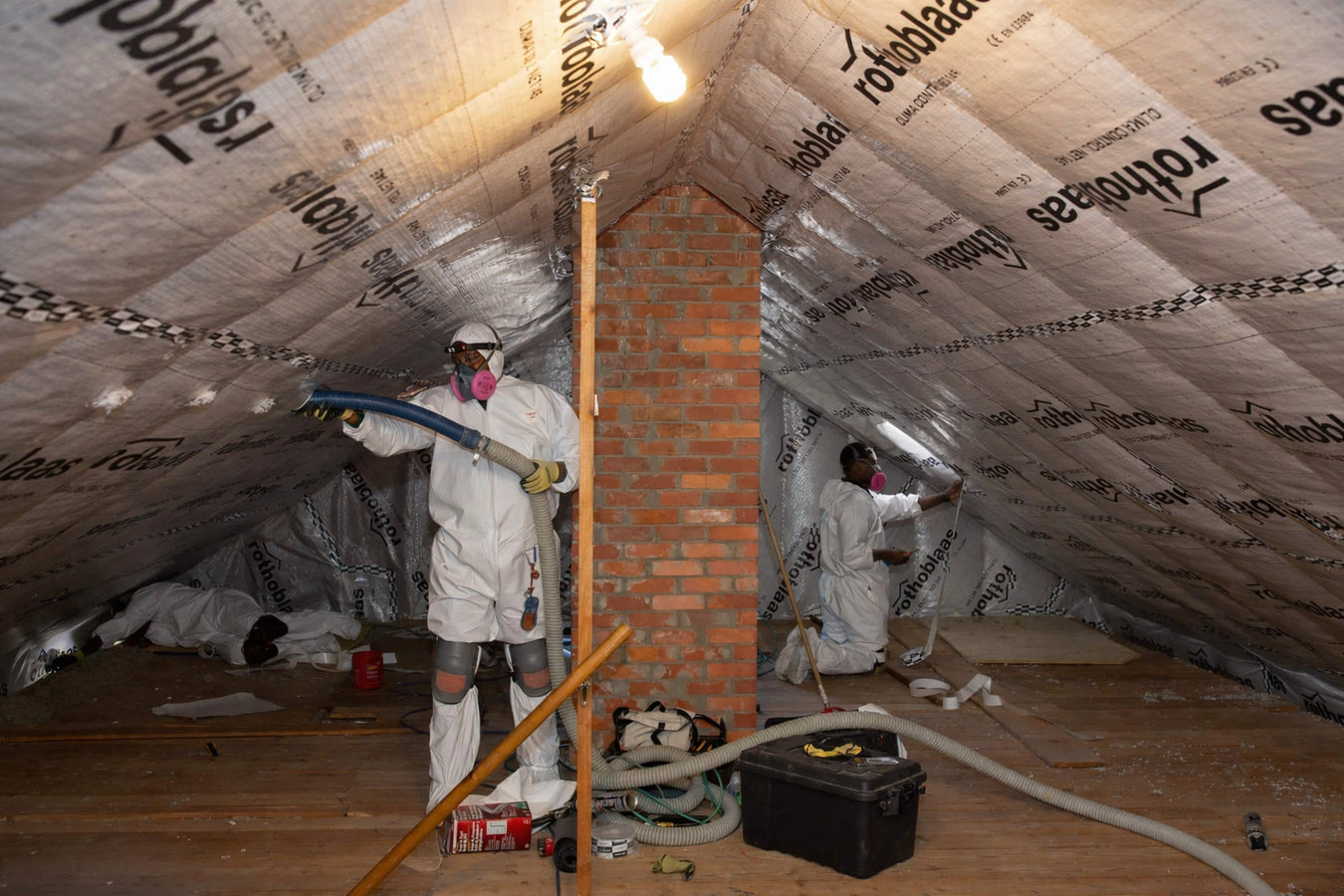
Every attic air sealing project starts with a thorough walk-through of the attic space before any sealant is applied. We move existing insulation aside, work through each section of the floor systematically, and use the right material for each type of gap - canned foam for smaller penetrations, rigid foam board for larger openings, and caulk for thin seams around framing. This is the correct sequence: seal first, then insulate. If you need both, we handle them together. We also pair attic sealing with attic insulation installation on the same visit when the attic floor needs a fresh layer on top of the sealed surfaces.
Every project comes with written documentation - photos of the gaps before sealing and after, and a project summary you can use to apply for PG&E rebates or claim a federal energy efficiency tax credit. We handle the rebate paperwork side and make sure the project qualifies before we start, so there are no surprises after the job is done.
Best for older homes where gaps have never been addressed - covers every penetration from the hatch to the eaves.
Targeted work around specific problem areas like recessed lights, pipes, or the attic hatch only.
For homes where the attic access is a major heat loss point - weather-stripped and insulated properly.
Sealing paired with blown-in insulation on the same visit - the most efficient way to upgrade an older attic.
Written summary and photos provided after every job - useful for rebate claims, tax credits, and future home sales.
We confirm eligibility before the job starts and provide the documentation needed to file after completion.
Watsonville sits just a few miles from Monterey Bay, and the town experiences persistent marine fog and cool ocean air for much of the year. That damp coastal air does not just make rooms feel cold - it can be pulled into your living space through attic gaps, carrying moisture with it. Homes in the Westside and near downtown were largely built in the 1950s through 1970s, long before air sealing was any part of residential construction. Those decades of settling and seasonal movement have often made original gaps larger. If your home is in that age range and has never had this work done, it almost certainly has an attic that needs attention.
We serve homeowners throughout the region, including in Capitola and Santa Cruz, where the same coastal conditions and older housing stock create nearly identical air sealing needs. Watsonville is in PG&E territory, and the utility offers rebates for qualifying air sealing and insulation projects. We participate in that program and handle the documentation so the rebate process does not fall on you.
The Building Performance Institute sets professional standards for home energy work including air sealing - see bpi.org for more on what good work looks like. The U.S. Department of Energy covers air sealing fundamentals at energy.gov.
We ask a few questions about your home - age, whether you have had any prior insulation work, and what is prompting the call. We respond within 1 business day and schedule an in-person visit before anything is quoted.
We spend 30 to 60 minutes in the attic - moving insulation aside, noting every gap and penetration, and checking for any moisture or pest issues that need to be resolved first. We explain what we found before we leave.
The crew sets up protective coverings at the access point and works section by section through the attic floor. Each gap gets the right material - foam, rigid board, or caulk. Existing insulation is replaced over the sealed surfaces when finished.
We walk you through what was done, provide before-and-after photos, and give you a written project summary you can use for PG&E rebate filing or a federal tax credit. Most jobs finish in a single day.
No pressure, no commitment - just a clear picture of what your attic needs and what it will cost. We respond within 1 business day.
(831) 666-1150The majority of homes we seal in Watsonville were built before 1980 - which means complicated attic layouts, older wiring, and gaps that have been growing for decades. We know what to look for and how to address it cleanly.
We work throughout Watsonville and the surrounding communities, from the Pajaro Valley neighborhoods to the foothill areas. Local presence means faster scheduling and contractors who know the housing stock in your specific neighborhood.
PG&E rebates require specific paperwork that many homeowners find confusing. We confirm eligibility before the job starts and provide the project summary you need to file - so you do not leave money on the table after the work is done.
You get before-and-after photos and a written project summary after every attic sealing project. That record is useful for rebate claims, the federal energy tax credit, and for any future buyer or inspector who wants to know what work has been done.
Every one of these points adds up to a job done right the first time. Watsonville homeowners who have dealt with contractors who skip steps or skip documentation know how frustrating it is - we built our process specifically to avoid that.
Bring your whole home up to current efficiency standards with blown-in insulation added to attics, walls, and crawl spaces without opening up finished surfaces.
Learn moreAdd or upgrade the insulation layer above your living space for better temperature control and lower heating costs throughout the year.
Learn moreThe cool season is the right time to act - schedule your free attic assessment now and feel the difference before winter sets in.