Most Watsonville homes built before 1980 are losing a significant amount of heat through the attic every night. The fix is straightforward - and one job makes the whole house noticeably more comfortable through the foggy season.
Attic insulation in Watsonville, CA keeps heat from escaping through the ceiling in winter and blocks it from baking down in warm months - most homes with little or no existing insulation are completed in a single day.
Watsonville's cool, foggy climate means your heating system runs more months of the year than most homeowners realize. When attic insulation has settled, compressed, or never been upgraded since the home was built, that system works overtime to make up for what leaks out through the ceiling. The result shows up on your PG&E bill and in rooms that never quite feel comfortable no matter what you set the thermostat to.
Good attic insulation starts with air sealing - closing the gaps around light fixtures, wiring, and plumbing penetrations before any material is added. For homes where the existing insulation has been disturbed by rodents or moisture, we also offer attic air sealing as a standalone service or as the first step in a complete attic upgrade.
If some rooms feel comfortable while others stay cold or stuffy, your attic insulation may be thin or missing in spots. In Watsonville's cool, foggy climate, heat escapes quickly through the ceiling when coverage is thin - and your heating system cannot fully compensate no matter how high you set the thermostat.
If your energy bill has been creeping up but your habits have not changed, heat loss through the attic is a likely cause. Watsonville's year-round mild-but-cool temperatures mean your heating system runs more often than homeowners in warmer inland cities - and a poorly insulated attic makes every heating cycle less efficient.
Scratching sounds, droppings, or evidence of nesting are signs rodents may have damaged or contaminated your insulation. Given Watsonville's proximity to active farmland, rodent pressure in residential attics is a genuine local issue. Insulation underneath pest activity is likely compressed and contaminated and should be inspected before new material goes in.
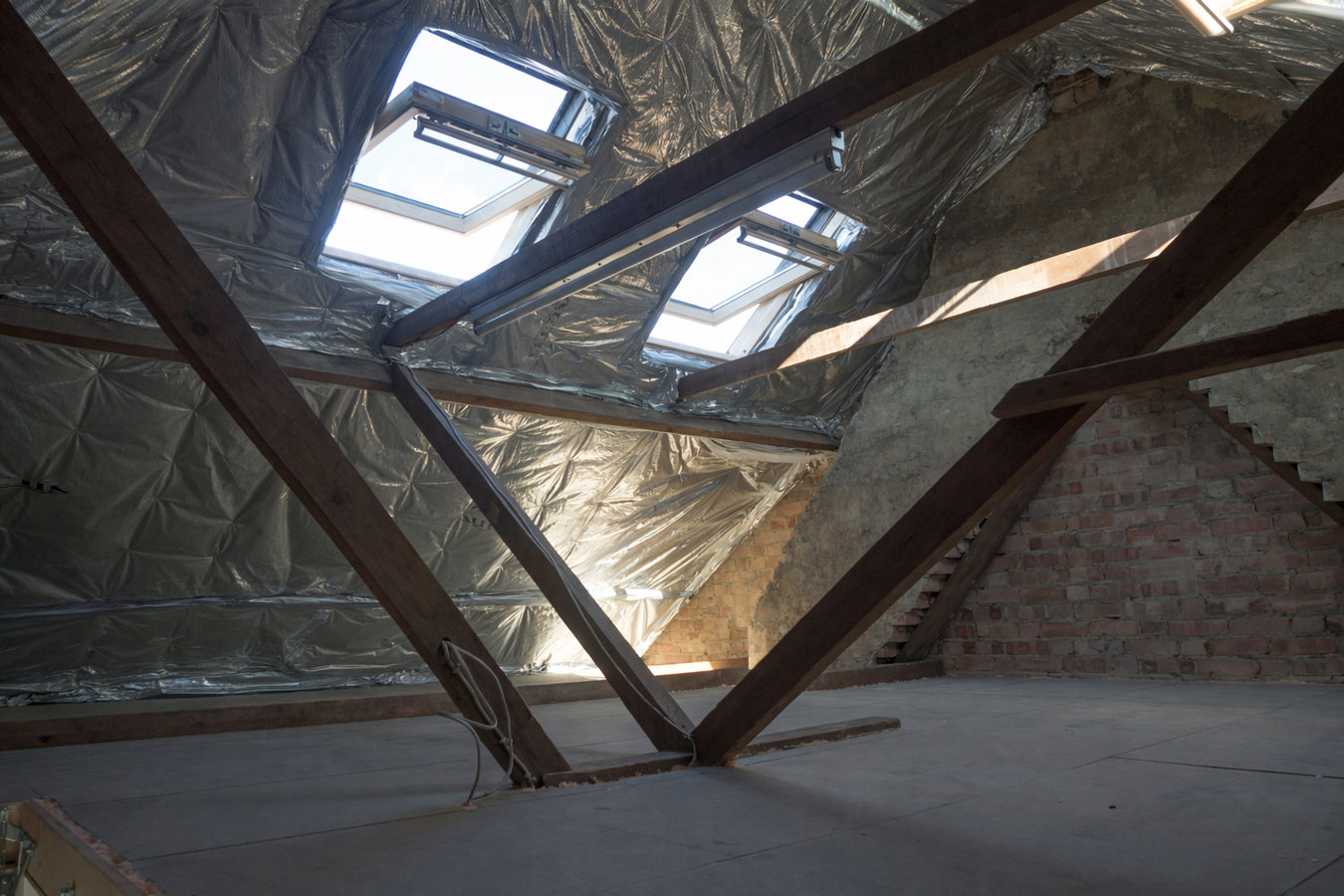
Look into your attic with a flashlight. If you can see the tops of the wooden joists - the boards running across the attic floor - your insulation is almost certainly too thin. A home with exposed joists is losing a significant amount of heat every night, which shows up clearly on your monthly energy bill.
We install blown-in loose fill as the primary method for existing attics - it fills around joists and irregular corners without requiring you to tear anything apart. For most Watsonville homes, cellulose or fiberglass attic insulation is the right choice for adding coverage on top of existing material. When the existing insulation is damaged, pest-contaminated, or simply too old to be useful, we handle removal first and install fresh material on a clean base. Pairing the job with blown-in insulation gives you the most complete upgrade in a single visit.
Air sealing is always the first step on any attic job we do. Closing the gaps around light fixtures, wiring, and plumbing penetrations before adding insulation makes a significant difference in how well the finished job performs - it is a step that less thorough crews often skip. Every project starts with an in-person attic assessment so we understand exactly what is there before recommending a scope of work.
The most common method for existing homes - fills around joists and odd corners without structural work.
For damaged, pest-contaminated, or moldy insulation that needs to come out before new material goes in.
Closes gaps around penetrations first so the new insulation performs as well as possible.
For homes where the existing insulation is present but too thin to meet current comfort or code requirements.
Particularly relevant for Watsonville homes near agricultural land where rodent activity in attics is common.
Removal, air sealing, and new insulation in one coordinated project for the most complete result.
Watsonville sits in the Pajaro Valley just a few miles from Monterey Bay. That proximity means cool, damp marine air rolls through the area year-round - not just in winter. An attic without adequate insulation and air sealing can develop condensation problems during the long foggy season, and moisture in an attic leads to mold and structural damage over time. A large share of Watsonville's housing was built in the mid-20th century, when insulation standards were far lower than they are today - many of these homes have original material that has settled to a fraction of its original thickness after decades of use.
Agricultural dust and rodent pressure from the surrounding farmland are also real attic concerns here. We inspect for pest activity as part of every assessment and factor that into the project scope. We serve Watsonville homeowners and also work in Scotts Valley and Santa Cruz, where the same coastal conditions affect older homes in similar ways.
For information on California utility rebates for insulation upgrades, visit PG&E Home Energy Upgrade Program. Rebate availability changes periodically - ask us about current offerings when you call.
We ask about your home, its age, and the comfort or energy concerns you have noticed. We respond within 1 business day and schedule an in-person visit - no ballpark figures over the phone without seeing your attic.
We access your attic through the hatch - typically a 30 to 60 minute visit - and check coverage depth, insulation condition, moisture, pest signs, and air sealing needs. You receive a written quote broken down by scope before any work is scheduled.
You do not need to leave your home during the work. We set up the blower machine outside or in the garage and run a hose up into the attic. Air sealing happens first, then insulation is added. Most jobs are done in a few hours.
Before we leave, we confirm coverage depth and show you photos of the finished attic. If a permit was part of the job, we coordinate the city inspection separately. Within a few billing cycles you should notice a measurable change in your energy use.
We respond within 1 business day, no obligation to proceed. After you submit this form, someone from our office will call to schedule a free on-site visit where we look at your attic in person and walk you through what we found before any work begins.
(831) 666-1150Every attic job comes with a written scope and clear pricing before we start. We document the work from the first walkthrough through final cleanup, so you always know exactly what was done and why.
Many contractors skip air sealing and just blow in more material on top of the existing gaps. We treat air sealing as a required first step - not an optional add-on. The result is an attic that actually performs the way the insulation thickness suggests it should.
You will not receive a quote from us without us seeing your attic first. Pricing over the phone without an assessment is a sign a contractor is guessing at the scope. Our written estimate breaks down the job by area so you know exactly what you are agreeing to.
A large share of our work is in homes built before 1980, including mid-century properties throughout the Pajaro Valley. We know how to assess these homes, handle pest-compromised insulation, and recommend the right approach for irregular older attic configurations.
Attic insulation is one of the most impactful improvements you can make to an older home - and it does not require tearing anything apart. We do it right the first time, with a written estimate and an in-person assessment before any work begins.
Blown-in insulation is the most common method for filling an existing attic - learn what the installation process looks like and what materials we use.
Learn moreAir sealing should happen before new insulation is added - closing the gaps that let heat escape regardless of how much insulation sits on top.
Learn moreWatsonville homes lose heat through the attic every night - call now and we will assess yours within the week so you can get ahead of the next foggy season.