Watsonville homes deal with year-round ground moisture from the Pajaro Valley and coastal air. A properly installed vapor barrier protects your floors, framing, and indoor air quality from the damage that starts below.
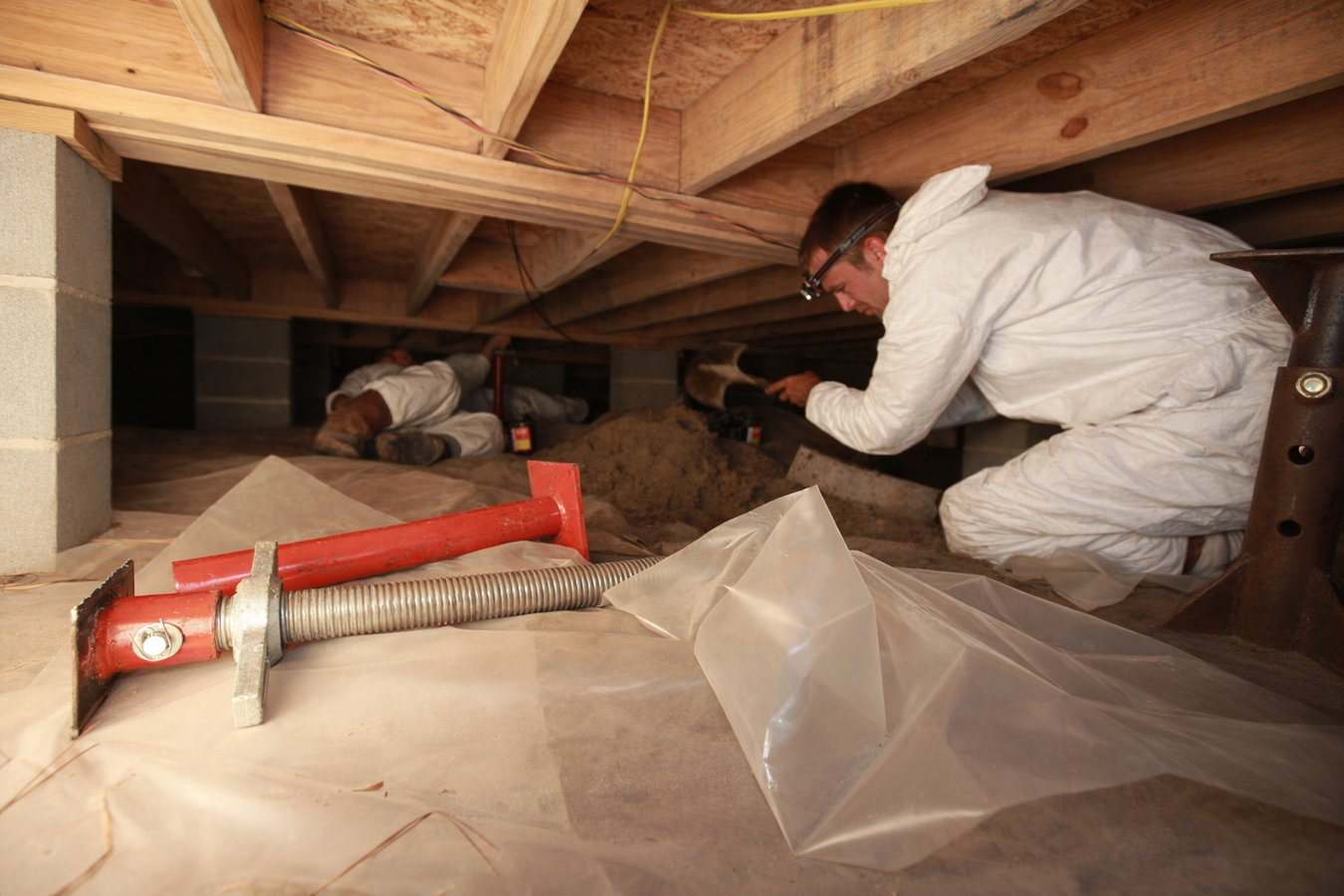
Vapor barrier installation in Watsonville means placing a durable sheet of plastic material between the damp ground and the underside of your home to stop moisture from rising up into the structure - most installations are completed in a single day and require no disruption to your household. The material goes in the crawl space, laid flat across the dirt floor with seams overlapped and edges secured to the foundation walls. Once in place, it works passively every day without any maintenance, blocking the vapor diffusion that silently damages wood framing, insulation, and subfloors over time.
In Watsonville's Pajaro Valley climate, this is not optional for most homes built before 1990. The coastal fog and agricultural soils here keep ground moisture levels elevated year-round. If you are already noticing musty smells, cold floors, or higher-than-normal energy bills, those are common signs that moisture has been working on your home from below for a while. Pairing vapor barrier installation with a full crawl space vapor barrier assessment gives you the most complete picture of what your home needs.
In Watsonville's damp coastal climate, unprotected crawl spaces allow moisture to saturate the wood subfloor above them. If your floors feel cooler than they should, have a slight give underfoot, or seem to have changed over the years, moisture working on the wood from below is a likely cause. This is especially common in older homes in lower-elevation parts of town near the Pajaro River.
That damp, basement-like smell that seems to come from nowhere - or gets stronger when the heat runs - is one of the most common signs of an unprotected crawl space. In Watsonville, where marine fog keeps the ground moist for much of the year, this smell can be present even in homes that have never had a visible water leak. If it is stronger in certain rooms or near floor vents, the crawl space is the most likely source.
Watsonville's proximity to active strawberry and vegetable fields means rodent pressure here is genuinely higher than in most California cities. If you have had mice or rats in your home, there is a good chance they have been in the crawl space too - and they may have chewed through or displaced whatever vapor protection was there. A torn or missing barrier is essentially no barrier at all.
Many mid-century homes in Watsonville were built with minimal or no vapor protection. Any plastic sheeting installed decades ago may have become brittle and cracked. If you have owned your home for years and no one has ever looked under it, you may be living above a moisture problem you do not know about yet. A quick inspection can tell you exactly what is there.
We install vapor barriers in crawl spaces using thick, puncture-resistant polyethylene sheeting - typically 10 to 20 mils - with properly overlapped seams and sealed edges that run up the foundation walls. Every job starts with removing any old or degraded material so the new barrier goes in clean. If your home has a very tight crawl space or drainage issues, we assess those conditions before quoting you so there are no surprises on installation day.
When moisture control needs extend beyond the crawl space - for example, under a concrete slab or in combination with major insulation work - we coordinate the full scope so nothing is missed. Our attic air sealing service addresses the other major moisture and air quality entry point in most homes, and many homeowners bundle the two when they are already improving the envelope. We also connect vapor barrier work to our full crawl space vapor barrier program for homes that need a more thorough assessment before installation begins.
Suits homes with no existing moisture protection in the crawl space - common in Watsonville homes built before the 1980s.
Suits homes where degraded, cracked, or rodent-damaged sheeting needs to be fully removed before a proper installation can go in.
Suits homes in lower-elevation Watsonville neighborhoods near the Pajaro River where heavier material and drainage assessment are warranted.
Suits homes where rodent activity has damaged existing protection and pest exclusion work should be done alongside the new installation.
Watsonville's Pajaro Valley location puts homes in a climate that combines coastal fog, marine moisture, and agricultural soil - a combination that keeps ground moisture levels elevated well beyond what most California homes experience. The water table in lower-elevation parts of the city sits closer to the surface than homeowners often realize, and after wet winters like 2022-2023, crawl spaces that were borderline before can develop real moisture problems quickly. California building standards through Title 24 also mean that any crawl space work combined with insulation upgrades needs to meet current ventilation requirements, and a contractor who regularly works in Santa Cruz County will handle that compliance for you from the start.
The agricultural environment around Watsonville also contributes to higher rodent pressure than most suburban areas, which is a direct threat to thin vapor barriers that are often specified in budget installs. We regularly handle vapor barrier work for homeowners in Hollister and Salinas where similar agricultural proximity and older housing stock create the same combination of moisture and pest challenges. The U.S. Department of Energy's guidance on vapor barriers explains the mechanics of how vapor diffusion works in homes - and why material quality and seam details matter as much as the barrier itself.
We respond within 1 business day to set up a free on-site estimate. A few basic questions about your home's age and any moisture concerns is all we need to prepare for the visit - you do not need to know the crawl space condition in advance.
We go under your home with a flashlight and often a moisture meter to assess the space size, existing protection, accessibility, and any drainage or pest issues that need to be addressed before installation. You get honest answers based on what we actually find.
You receive a clear written estimate covering materials, labor, and any prep work needed. Permits are handled by our team if required for your project scope. We recommend comparing two or three written quotes before making a decision.
Our crew arrives with heavy-duty sheeting, seam tape, and fasteners. They clear out any old material, lay the barrier, overlap the seams, and secure the edges. Most jobs are done in a single day. Before leaving, we show you photos of the completed installation so you can see exactly what was done.
No obligation. We respond within 1 business day and the on-site estimate is completely free.
(831) 666-1150We install 10-mil to 20-mil sheeting as our standard - not the thin 6-mil material that costs less upfront but fails within years in high-moisture environments. Watsonville's year-round coastal moisture and higher-than-average pest pressure mean thinner material is not the right call here, and we will not spec it to win on price.
We work throughout Santa Cruz County and into the South Bay - Watsonville, Capitola, Santa Cruz, Scotts Valley, Salinas, and beyond. That regional volume means we see the full range of crawl space conditions in this area and bring that knowledge to every job, including yours.
California Title 24 energy standards and Santa Cruz County permit requirements apply to vapor barrier work when it is combined with insulation or ventilation changes. We know exactly where those lines are and manage compliance from the start, so you are not dealing with permit issues later when you sell or refinance.
The building science organization BPI - the Building Performance Institute - recognizes that agricultural areas need pest-exclusion considerations built into moisture control work. We factor in rodent pressure when recommending material thickness and can coordinate exclusion work alongside the barrier installation for homes near Watsonville's farmland.
We built our service around the specific conditions of the Pajaro Valley - not a generic California contractor spec. That local focus is the difference between a barrier that lasts 20 years and one you are replacing in five.
Seal air leaks in your attic to stop conditioned air from escaping and moisture from entering - the upper-envelope complement to vapor barrier work below.
Learn moreA focused assessment and installation program specifically for crawl space moisture control, including inspection and material recommendation.
Learn moreVapor barrier installation typically takes one day. Call now or request a free estimate and we will respond within 1 business day.