Cold floors and high energy bills in Watsonville often trace back to an uninsulated basement. We fix that with a proper installation - moisture check first, clean written estimate, no surprises.
Basement insulation in Watsonville, CA keeps cold air from the ground from creeping up into your living space - most jobs on an average-sized home are completed in one to two days, with the basement ready to use the same evening the crew leaves.
If the floors in your Watsonville home feel cold underfoot during the foggy season - even when your heating system has been running - an uninsulated or under-insulated basement is the most likely cause. Heat rises, but cold surfaces below pull warmth downward, and without insulation between the basement and the living space above, your furnace is essentially working against the ground. A lot of homes in Watsonville were built in the mid-20th century under energy standards far lower than what is required today, and many have never had meaningful basement insulation installed.
Basement insulation works best when paired with proper moisture management. We check for water intrusion signs before recommending any materials, because insulation installed over a damp wall traps moisture and leads to mold. For homes where the crawl space or basement floor is also a concern, our crawl space insulation service addresses the subfloor from below.
If the floors on your first level feel noticeably cold underfoot during Watsonville's cool, foggy months - even after your heating system has been running for a while - cold air from an uninsulated basement is the likely cause. Without insulation between the basement and the living space above, you are essentially heating the ground. This is one of the most common complaints from homeowners in older Watsonville neighborhoods.
Watsonville's marine climate means moisture is a near-constant presence, and basements without proper insulation and vapor control are especially vulnerable. If you notice water droplets on the walls, a damp smell, or a feeling of clamminess after a stretch of foggy days, moisture is moving through your foundation walls unchecked. Left alone, that moisture will eventually lead to mold - which is far more expensive to address than insulation.
If your energy bills have been rising but you have not changed your habits or added new appliances, an under-insulated basement is one of the first places to look. The basement is one of the largest heat-loss surfaces in your home, and without insulation it pulls warmth out in winter and lets heat in during summer. A noticeable increase in your monthly bill is worth investigating before assuming the problem is your furnace.
Watsonville homes built before the 1980s were constructed under energy codes that required little or no basement insulation. If you have never seen anyone work on your basement walls or ceiling, there is a good chance the insulation - if any exists - is outdated, compressed, or missing entirely. A quick visual inspection confirms it: bare concrete walls or bare floor joists overhead means the space is not properly insulated.
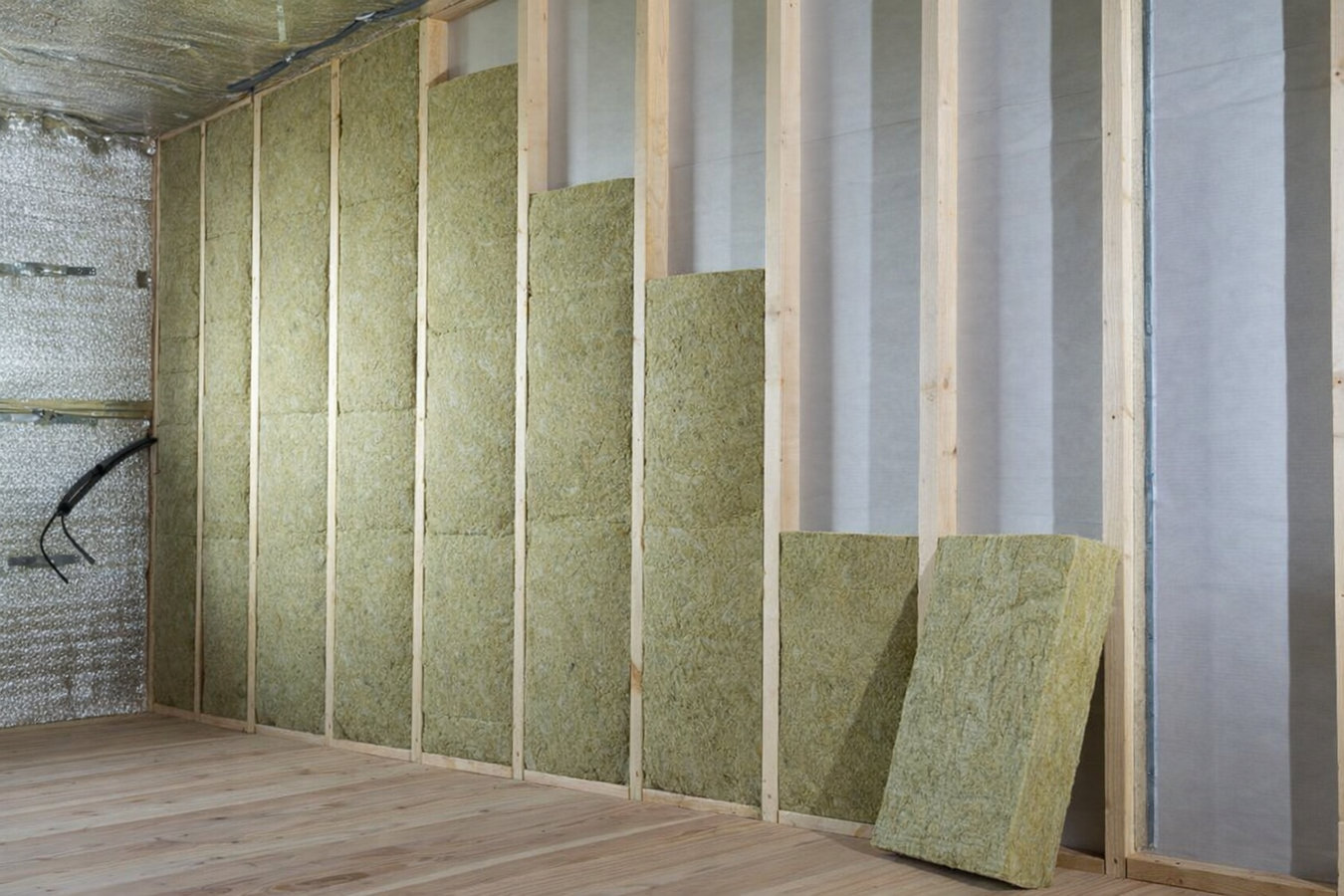
We insulate both the walls and the ceiling of your basement depending on what suits your home. Wall insulation - covering the concrete or block surfaces that face the outside ground - keeps the basement itself warmer and reduces moisture movement through the foundation. Ceiling insulation, which means covering the underside of your first floor, is typically the right choice when the basement is unfinished and unheated, because it creates a thermal barrier directly below the living space. We also install closed-cell foam insulation on basement walls where moisture resistance is a priority - the foam blocks vapor as well as heat, which matters in the Pajaro Valley's damp conditions.
Every basement job starts with a moisture check. If we find signs of water intrusion during the walkthrough, we tell you honestly before any insulation is quoted, because adding insulation over a damp wall sets up a mold problem down the road. Air sealing around pipe penetrations, rim joists, and floor framing is included as part of any full basement installation - it addresses the gaps that let warm air escape regardless of how much insulation sits on the wall.
For homeowners who want to warm the basement space itself and reduce moisture movement through foundation walls.
The right choice for unheated, unfinished basements - creates a thermal barrier directly below the living floors above.
Best for basement walls where moisture is a known concern - seals vapor and insulates in a single application.
Targets the gap where basement walls meet the floor framing - one of the most common air leakage points in older homes.
For basements with a history of dampness that need water issues addressed before insulation can go in.
Air sealing, moisture prep, and insulation installation handled as one coordinated project for the most complete result.
Watsonville sits in the Pajaro Valley near Monterey Bay, where marine fog and cool air are present for much of the year - not just in winter. Unlike inland California where insulation is mainly about keeping summer heat out, Watsonville homeowners deal with persistent dampness and cool temperatures in nearly every season. That means basement insulation here pays off twelve months a year. The Pajaro Valley also has a history of high groundwater and soil moisture, particularly in low-lying areas near the river, which means basements in these zones are more prone to moisture seeping through foundation walls. Skipping a moisture assessment before installation is the most common mistake contractors make in this climate, and it leads to insulation that traps moisture against the wall rather than protecting against it.
A significant share of Watsonville's housing was built in the mid-20th century, when basement insulation was rarely required or even considered. Many of these homes have little or no insulation in the basement, and what was installed decades ago may have settled, gotten wet, or simply worn out. We work throughout Watsonville and also serve homeowners in Santa Cruz and Capitola, where the same coastal moisture conditions create identical basement challenges in older homes.
California utility programs through PG&E have offered rebates for qualifying insulation work in the past. Ask us about current availability when you call for an estimate.
We ask about your home, its age, the size of the basement, and any moisture or comfort issues you have noticed. We respond within 1 business day. Basement work requires an in-person visit before any pricing - the condition of your foundation walls affects cost, and we will not give you a number without seeing the space.
During the walkthrough, we inspect your basement walls, ceiling, and floor for moisture signs, existing insulation, and gaps around pipes or beams. After the visit, you receive a written estimate that breaks down scope, materials, and total cost - including whether any moisture prep is needed first.
You will need to clear the basement of stored items, furniture, and anything leaning against the walls before installation day. We will tell you exactly how much clearance is needed. If shelving is attached to the walls, ask us in advance whether you need to remove it.
The crew arrives with materials, seals gaps and penetrations first, then installs insulation in a consistent layer across every surface. The work is noisy and dusty - most families stay out of the basement during the job. At the end of the day, we clean up and walk you through the finished work. The basement is ready to use immediately - there is no curing period.
Free written estimate. We check for moisture before recommending any materials. Responds within 1 business day.
(831) 666-1150We check for water intrusion signs before recommending any materials - because insulating over a damp wall creates a mold problem within a year. This step is often skipped by crews focused on speed. We will tell you honestly if moisture needs to be addressed first, even if that adds time or cost to the project.
We serve Watsonville and 11 surrounding communities from Santa Cruz to San Jose. Contractors who work across the Central Coast understand how coastal humidity affects basements differently than inland conditions - that local experience shapes how we assess and install every job.
Every quote we provide breaks down the scope of work, the materials being used, and the total cost before any work begins. Nothing is added to the invoice after you sign. If conditions change during the job, we explain the situation and get your approval before proceeding.
Some basement projects need a permit or inspection, and we coordinate that step for you so nothing stalls the job. We know the local process and factor any required approvals into the schedule before work begins, so there are no surprises partway through.
Every basement insulation job we do in Watsonville starts with a real assessment - not a sales visit. Our goal is to give you accurate information about what your basement needs and a fair price to do it right, so the installation lasts for decades rather than needing to be redone.
For guidance on basement moisture control and insulation best practices, the U.S. Department of Energy and the Insulation Contractors Association of America both publish useful homeowner resources.
Closed-cell foam is a strong option for basement walls where moisture resistance and high insulating value per inch are both priorities.
Learn moreIf your home has a crawl space rather than a full basement, crawl space insulation addresses the same cold-floor and moisture problems from below.
Learn moreWatsonville's foggy season runs most of the year - the sooner your basement is insulated, the sooner your floors and energy bills reflect it. Call or fill out the form and we will respond within 1 business day.