High energy bills, moisture problems, and failed inspections in commercial buildings often share the same root cause. We insulate Watsonville commercial properties to California code - with minimal disruption to your business.
Commercial insulation in Watsonville slows heat transfer through your building's walls, roof, and floors so your HVAC system works less and your energy bill drops - most jobs take one to three days for a crew, and most businesses stay open throughout. In Watsonville's cool, foggy coastal climate, poorly insulated buildings lose conditioned air steadily in every season, not just summer. That translates to heating and cooling costs that never really drop off, making insulation a year-round investment rather than a seasonal fix.
Watsonville has a notable concentration of agricultural and food-processing buildings - packing sheds, cold-storage facilities, and distribution warehouses that require insulation designed for extreme temperature differentials and high moisture exposure. If your building is connected to the Pajaro Valley's agricultural supply chain, that matters for material selection. We also handle crawl space vapor barriers for commercial properties where ground moisture is a persistent problem alongside temperature control.
If your heating or cooling system seems to run continuously without reaching the set temperature, conditioned air is likely escaping through the walls, roof, or floor. In Watsonville's cool coastal climate, this is especially common in older commercial buildings where original insulation has settled, compressed, or was never adequate. You should not have to fight your building to keep a comfortable temperature.
Watsonville's regular coastal fog brings persistent moisture, and when warm interior air meets a cold, poorly insulated wall or ceiling, condensation forms on the surface. If you see water stains, damp patches, or a musty smell after foggy stretches, inadequate insulation is often part of the problem. Left unaddressed, this moisture can lead to mold and structural damage.
If your utility costs have been rising steadily but your usage habits have not changed, deteriorating insulation is one of the first things worth investigating. Insulation loses effectiveness over time - especially in buildings where it has been disturbed by pest activity, water intrusion, or previous renovation work. A quick assessment by a qualified contractor can tell you whether insulation is the cause.
Many commercial buildings in Watsonville's older neighborhoods were built to standards well below what California now requires. If you have owned or leased the building for years and no one has ever addressed insulation, there is a reasonable chance it is underperforming. This is especially worth checking if you are planning any renovation work, since California's energy code requires upgrades when significant changes are made.
Every commercial insulation job starts with an in-person site visit - not a phone estimate. We inspect the attic, roof assembly, walls, and mechanical spaces, note what existing material is present, check for moisture or air-sealing issues, and measure the areas to be insulated. Most commercial work in Watsonville requires a city building permit, which we apply for and manage on your behalf. A permit means an independent inspector signs off that the work meets California's energy standards before anything is covered up - which protects you when it comes time to sell or refinance the property. We also coordinate with structural contractors for property owners who are doing seismic retrofit work and want to insulate at the same time, which we cover alongside our spray foam insulation services.
For cold-storage and food-processing buildings, we select materials rated for the temperature differentials and moisture exposure those environments produce. Standard commercial insulation is not designed for walk-in coolers or packing sheds where interior and exterior temperatures can differ by 40 degrees or more. We are also experienced with crawl space vapor barrier installation for commercial properties with ground-level moisture issues - a common need in the Pajaro Valley's agricultural zone where soil stays wet through the winter and spring months.
Suits small to mid-sized commercial spaces where the goal is lower energy bills and a more comfortable interior for employees and customers.
Suits large open spaces with high ceilings where heat stratification is a problem and spray foam or rigid board insulation works better than batts.
Suits packing sheds, coolers, and processing facilities in the Pajaro Valley that require specialized materials rated for extreme temperature differentials.
Suits commercial property owners opening walls for structural work who want insulation done at the same time to avoid a second round of disruption.
Watsonville sits in a coastal microclimate where fog and damp air roll in off Monterey Bay most mornings. Unlike inland California cities where insulation is mainly about surviving summer heat, Watsonville businesses deal with a steady, year-round energy drain caused by that persistent coastal air. Much of the commercial building stock in downtown Watsonville was constructed before California's current energy efficiency requirements were in place - some dating back to the mid-20th century - and many of these buildings have little or no insulation in the walls or above the ceiling. For a business owner, that means paying to condition a building that cannot hold its temperature, month after month. Santa Cruz County also sits in a seismically active region, and many commercial property owners are dealing with seismic retrofit requirements left over from the 1989 Loma Prieta earthquake - an ideal opportunity to address insulation at the same time walls are open.
We regularly handle commercial insulation for property owners in Morgan Hill and Santa Clara where agricultural and light-industrial buildings share many of the same characteristics as Watsonville's commercial stock. Our crews understand both California's energy code requirements and the practical realities of keeping a business running during construction - and we coordinate around both.
We respond within 1 business day to schedule an on-site visit. We will ask a few basic questions about your building - size, age, what is prompting the inquiry - so we arrive prepared. Commercial estimates cannot be done accurately over the phone.
We inspect the attic, roof assembly, walls, and mechanical spaces, note existing conditions, and measure the areas to be insulated. You receive a written estimate with a clear scope of work and line-item pricing - not a verbal ballpark.
We apply for the required city building permit on your behalf before work begins. Permit approval typically adds about a week to the timeline. Once approved, we confirm a start date and schedule around your business hours if needed.
Most commercial jobs finish in one to three days. A city inspector verifies the work meets California standards before anything is covered up. We walk you through the completed areas before we leave and address any questions on the spot.
No obligation. We walk your building, check existing conditions, and give you a written scope and price before any work begins. Most businesses stay open throughout the job.
(831) 666-1150Watsonville Insulation covers 12 communities from the Pajaro Valley to San Jose. That regional reach means we know the building stock, permit offices, and climate conditions specific to each area - not a one-size-fits-all approach applied from a distant market.
Watsonville has a higher concentration of cold-storage and food-processing facilities than most California cities its size. We have worked in these environments and understand the material requirements, temperature differentials, and moisture loads that standard commercial contractors often underestimate. The North American Insulation Manufacturers Association publishes the standards we follow for these applications.
California's commercial building permit process can slow a project if the contractor is not familiar with it. We handle the application, coordinate the inspection schedule, and make sure the work passes on the first visit. You do not have to track any of that yourself.
Santa Cruz County has significant seismic retrofit activity underway. We have coordinated insulation work alongside structural contractors on multiple commercial projects in the area - which saves property owners from opening the same walls twice and keeps the disruption to a single phase of work.
Commercial insulation done right is an investment that shows up on your energy bill within the first billing cycle and pays for itself over years of lower operating costs. We do this work in Watsonville every week - and we stand behind it.
The North American Insulation Manufacturers Association publishes installation standards and best practices for commercial insulation materials that guide the specifications we put in every written scope of work.
Ground-cover vapor barriers for commercial properties in the Pajaro Valley where soil moisture is a persistent issue throughout the rainy season.
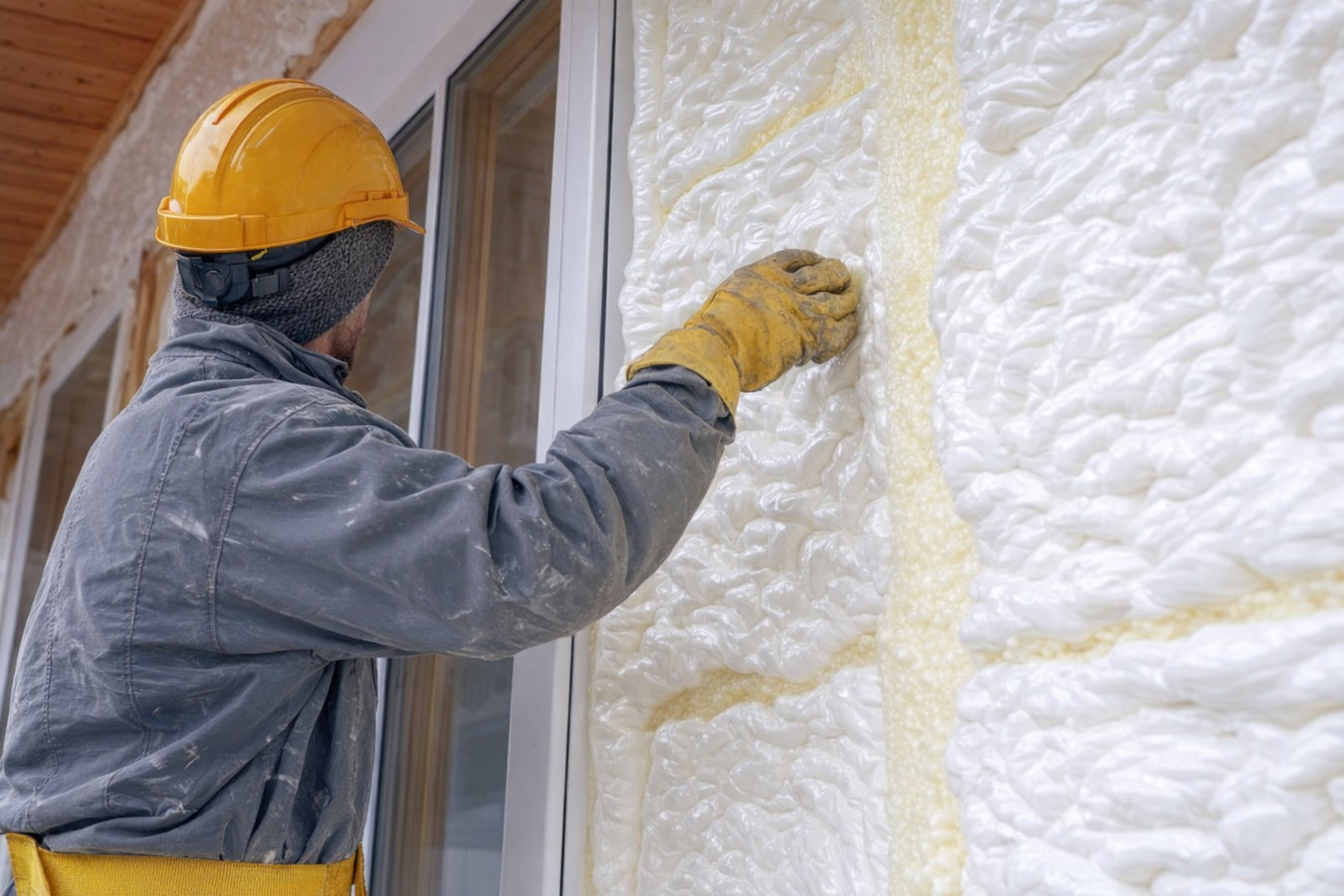
Learn moreSpray foam for commercial walls and roof assemblies where an air-tight seal and high R-value in a single application are the priority.
Learn moreContact Watsonville Insulation today for a free on-site estimate - our schedule fills quickly in spring and fall, and the sooner we assess your building, the sooner your energy costs start dropping.