Older Watsonville homes lose heat through thin or missing insulation in walls, attics, and crawl spaces. We add coverage to your existing home without tearing anything open - so you get the comfort of a well-insulated house without a full renovation.
Retrofit insulation in Watsonville means adding blown-in or foam insulation to a home that is already built - treating the attic floor, exterior walls, and crawl space through small access points without a major renovation. Most attic-only projects are completed in a single day.
The goal is to bring an older Watsonville home up to the comfort and efficiency of a newer one without the disruption of a full remodel. Contractors use a blowing machine to fill attic spaces from above and inject material into wall cavities through small drilled holes. For homes in the Pajaro Valley dealing with cool, damp winters and persistent coastal fog, getting insulation levels right is one of the most impactful upgrades a homeowner can make.
A complete retrofit typically covers all three problem areas - attic, walls, and floor. If your crawl space is also damp or poorly sealed, spray foam insulation is often a strong fit for that space because it resists moisture in a way blown-in materials cannot. We assess each area separately and recommend only what your home actually needs.
If you turn the heat on and certain rooms still feel chilly, or the air has a persistent damp quality, that is a classic sign of missing or inadequate insulation. In Watsonville, marine fog and cool ocean air push right through under-insulated walls and attics. No thermostat setting fully compensates for that - you need the walls and ceiling doing their job.
Watsonville does not get extreme heat or hard freezes, so energy bills here should be relatively modest. If your gas or electric bill seems high compared to neighbors in similar-sized homes, poor insulation is one of the most common culprits. Heat escaping through the attic and walls forces your heating system to run longer and harder than it should.
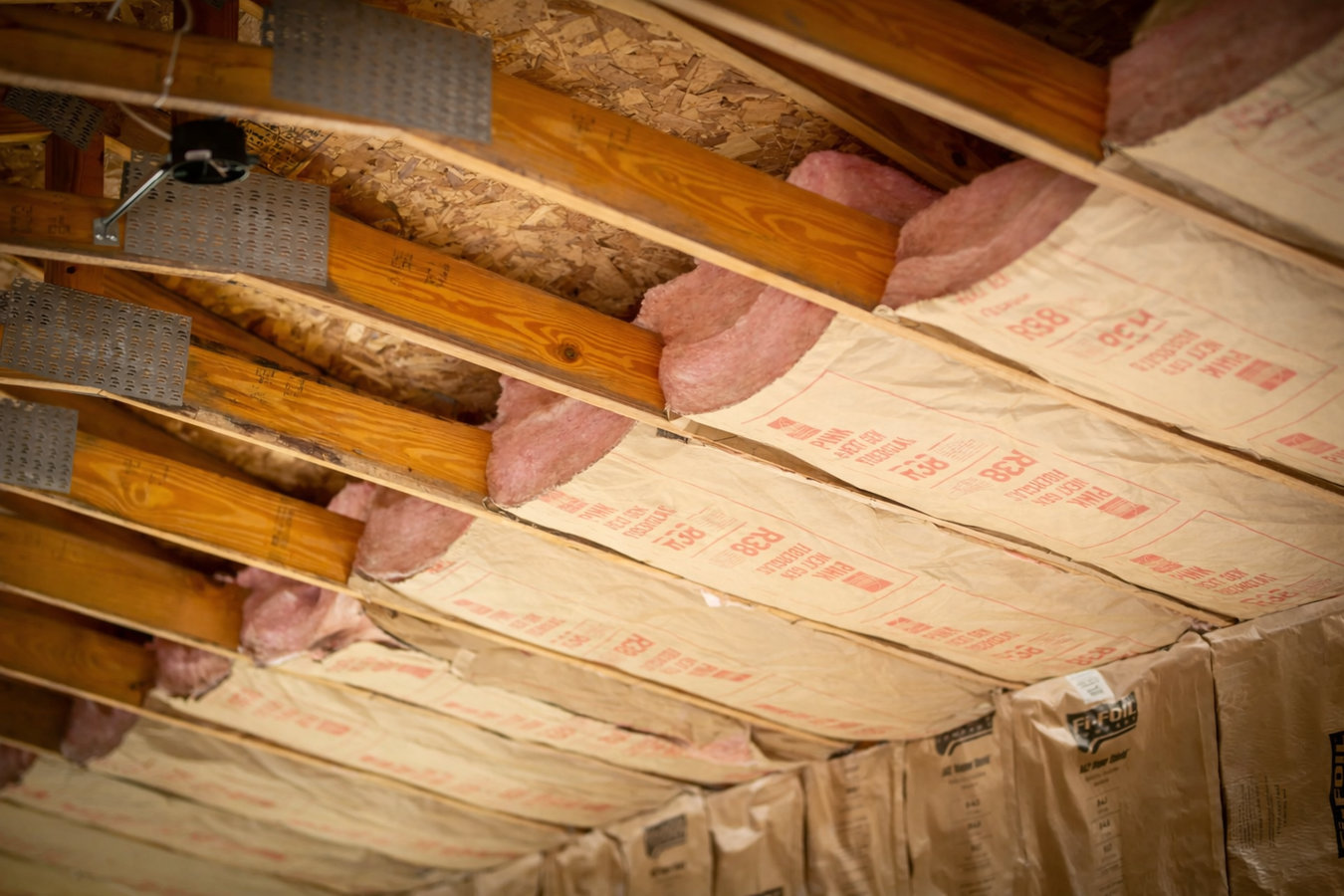
If you peek into your attic and can clearly see the wooden beams running across the floor, your insulation is either very thin or missing entirely. A properly insulated attic should have a thick, even layer that covers those beams completely. This is one of the easiest checks a homeowner can make before calling a contractor.
If your home is more than 40 years old and you have no record of insulation work, it is worth having a contractor assess the current state. Homes built in Watsonville during that era were typically constructed with minimal or no wall insulation, and whatever attic coverage exists has likely settled and thinned significantly over the decades.
We handle all three primary retrofit areas - attics, exterior walls, and crawl spaces - and we match the material to the area and the conditions of your specific home. For attics, blown-in cellulose or fiberglass is installed from above to a consistent depth across the entire floor. For walls, we drill small holes into each cavity, fill it completely, and patch every opening so the finished result is clean and virtually invisible. For homes with moisture concerns in the crawl space, we often recommend pairing floor insulation with a full home insulation assessment to make sure nothing is missed.
Air sealing and insulation go together, and we address both in the same project when needed. Adding insulation on top of unaddressed gaps is one of the most common reasons homeowners do not feel the full benefit of new material. We seal first, then insulate - the correct sequence every time. Every project comes with written documentation of depth and coverage, which you can use for PG&E rebate applications or the federal energy efficiency tax credit.
Best starting point for most Watsonville homes - covers the attic floor to a consistent depth in a single day.
Fills empty or thin wall cavities through drilled holes without opening up finished walls.
Adds insulation below the living space floor, often combined with moisture assessment and vapor barrier work.
Attic, walls, and crawl space addressed together - the most efficient approach for homes that have never been upgraded.
Gaps sealed before insulation goes in - standard practice on every project to maximize the value of new material.
Written project summary and coverage records provided after every job for PG&E and federal tax credit filings.
A large share of Watsonville's housing stock was built between the 1940s and 1970s - a period when wall insulation was rarely required and attic coverage, if it existed at all, was minimal by today's standards. That original construction, combined with decades of settling and the persistent marine moisture coming off Monterey Bay, creates conditions where retrofit insulation delivers a genuine and noticeable improvement. The payoff here is less about dramatic summer cooling and more about eliminating the constant chill and damp quality that older Watsonville homes are known for during the long cool season from October through May.
We serve homeowners throughout the area, including in Salinas and Hollister, where similar older housing stock and cool inland temperatures create comparable retrofit insulation needs. Watsonville is in PG&E territory, and the utility offers rebates for qualifying insulation upgrades through participating contractors. We handle that paperwork side so you do not have to chase it down after the job is done.
California homeowners may also qualify for the federal energy efficiency tax credit on qualifying insulation upgrades - see ENERGY STAR federal tax credits for current details. The California Energy Commission covers weatherization programs at energy.ca.gov.
We ask about your home - age, size, and what is bothering you. We respond within 1 business day and schedule a free in-home assessment at a time that works for you. No commitment required at this stage.
We walk through your home, look into the attic, check the crawl space if you have one, and assess the walls. We explain what we find in plain language, then provide a written estimate within a day or two that breaks down costs by area.
The crew sets up the blowing machine outside or in the garage and runs a hose to each work area. For attics, material is blown in from above. For walls, small holes are drilled, filled, and patched. Most homeowners stay home during the work without any real disruption.
After the work is complete, we show you the attic coverage, confirm the wall patches are clean, and provide a written summary with coverage depths. That paperwork is your record for PG&E rebate filing and any future home sale or inspection.
We come to your home, assess every area, and give you a written quote before anything starts. No pressure, no obligation - just a clear picture of what your home needs.
(831) 666-1150Most of the homes we retrofit in Watsonville were built before modern insulation standards existed. We know how to work around older framing, aluminum wiring, and the access challenges that come with mid-century construction - without cutting corners.
We work across Watsonville and the surrounding communities from the coast to the Pajaro Valley and south toward Salinas. Scheduling is faster when the crew already knows the area and does not have to learn your neighborhood from scratch.
Adding insulation over unsealed gaps is one of the most common installation shortcuts. We seal air leaks before insulation goes in as standard practice - not an optional add-on - so you get the full performance of the material we install.
PG&E rebates are available for qualifying retrofit work in Watsonville. We verify eligibility before the job starts and provide the coverage documentation you need to file. The federal energy efficiency credit can add further savings - we give you the paperwork for that too.
Retrofit insulation done right is a one-time investment that lasts the life of the home. We do it correctly the first time so you are not revisiting the same problem in a few years.
For homes where cavities are irregular or moisture exposure is high, spray foam expands to fill every gap and acts as both insulation and air barrier.
Learn moreA full-home insulation review covering attic, walls, and crawl space - the right starting point if you are not sure where your home loses the most energy.
Learn moreCrews are booking out as the cool season approaches - schedule your free assessment now and get the work done before the next wet winter.