Watsonville Insulation provides insulation contractor services in Morgan Hill, CA - covering commercial insulation, spray foam, and attic upgrades for the southern Santa Clara Valley city's owner-occupied homes and commercial properties - and responds to every inquiry within one business day with a free on-site estimate.
Watsonville Insulation provides insulation contractor services in Morgan Hill, CA - covering commercial insulation, spray foam, and attic upgrades for the southern Santa Clara Valley city's owner-occupied homes and commercial properties - and responds to every inquiry within one business day with a free on-site estimate.
Morgan Hill has a mix of light industrial buildings, retail spaces along Cochrane Road, and small commercial properties scattered through the downtown corridor. Many of these buildings were constructed in the 1980s or 1990s and have never had a meaningful insulation upgrade. Improving the building envelope brings energy costs down and keeps interior temperatures manageable during valley heat spikes. See our commercial insulation service for details on what the assessment and installation process looks like for buildings like yours.
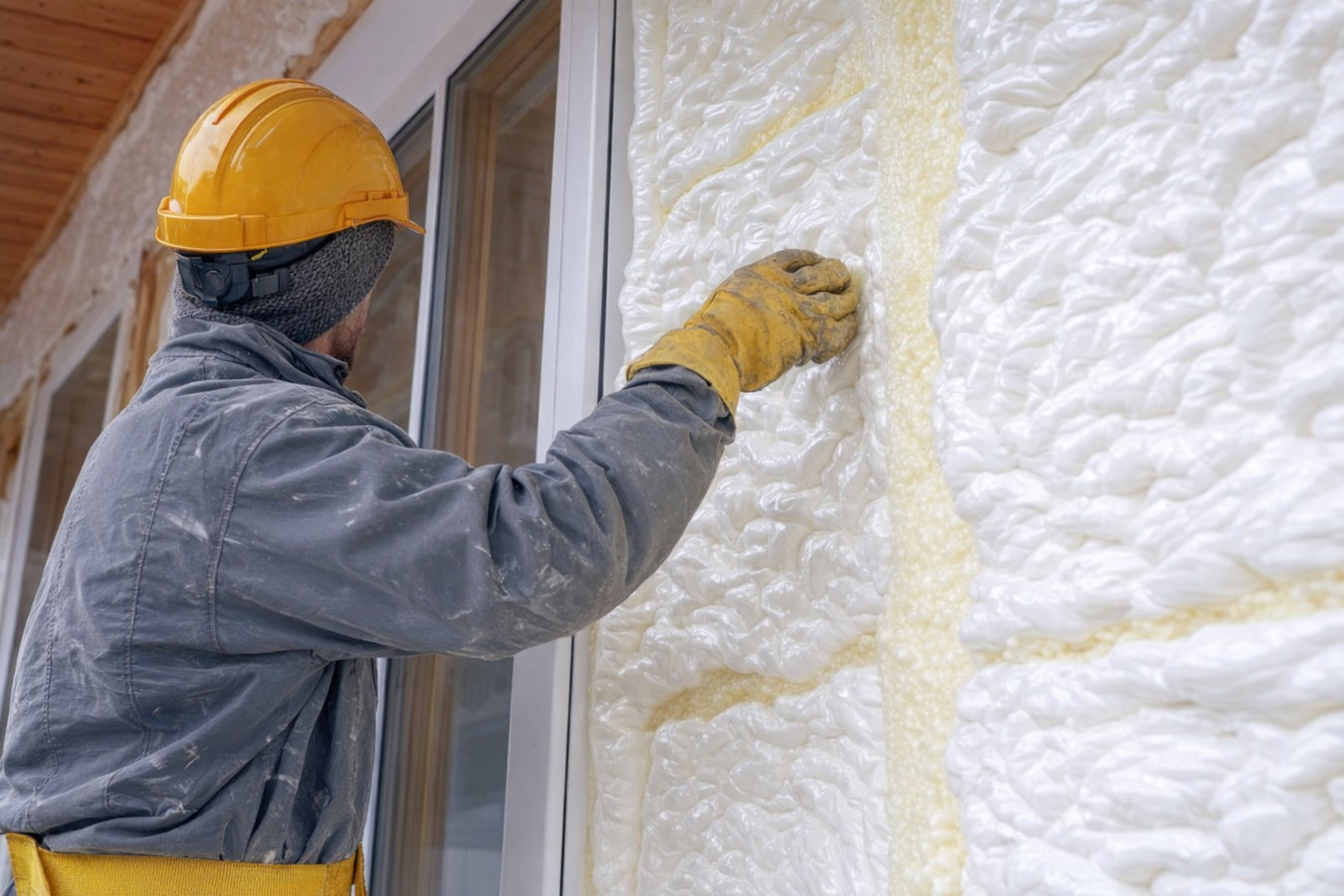
Morgan Hill sits in a valley that traps summer heat, and stucco homes from the 1980s and 1990s were not built to handle 95-plus-degree afternoons with any real thermal efficiency. Spray foam applied to the underside of the roof deck - or to the attic floor alongside thorough air sealing - stops heat from building up in the attic and radiating through the ceiling for hours after sunset. It is also the most effective option for older homes where gaps in the building envelope have widened as the structure has settled.
The bulk of Morgan Hill's housing stock dates from the 1970s through the 1990s, which means a lot of attic insulation installed at that time is now 30 to 50 years old. Material that old has settled, compressed, and in many cases been disturbed by pest activity or previous renovation work. Adding coverage to these attics - or replacing what is there - is the single highest-return insulation investment for most Morgan Hill homeowners.
Properties near the hills west of downtown and along Uvas Road often sit on clay-heavy soils that hold moisture from winter rains well into the dry months. Homes with raised foundations in these areas can have crawl spaces that stay damp enough to degrade insulation and affect floor comfort year-round. Insulating and sealing the crawl space addresses both the floor cold and the underlying moisture problem at the same time.
Morgan Hill is close enough to wildland areas in the Diablo Range and Santa Cruz Mountains that late-summer and fall bring real smoke risk. Attic penetrations, recessed light gaps, and unsealed duct boots are the entry points smoke and outdoor air use most. Sealing these gaps alongside insulation work reduces both energy loss and the amount of smoke that makes it inside during fire season.
Morgan Hill occupies the southern end of the Santa Clara Valley, hemmed in by the Diablo Range to the east and the Santa Cruz Mountains to the west. That valley position means summer heat builds with little coastal relief - temperatures regularly climb into the mid-90s and occasionally top 100 degrees. Homes from the 1980s and 1990s that make up most of the city's residential stock were built to energy standards that are well below what is required today. Attic insulation from that era has had 30 to 50 years to settle and compress, and many of those homes have never had a meaningful upgrade. When valley heat bakes the attic all day and that heat radiates through the ceiling into living spaces, no air conditioner compensates for it efficiently or cheaply.
Winter brings a different stress. Morgan Hill's annual rainfall arrives mostly between November and March in heavy bursts, and the expansive clay soils that underlie much of the valley absorb and release moisture through seasonal cycles. That wet-dry movement is a consistent source of stress on building envelopes, foundation crawl spaces, and anywhere a gap exists that lets ground moisture travel upward. Properties near the hillsides and along Uvas Road face additional drainage challenges as terrain concentrates runoff. For commercial properties, these same climate dynamics affect energy costs and tenant comfort, and older commercial building stock in the downtown corridor and along Cochrane Road has the same insulation deficit that residential homes do.
Our crew pulls permits for Morgan Hill projects through the City of Morgan Hill Building Division, and we are familiar with the range of construction types that come up here - from the older single-story homes on modest lots closer to downtown to the larger two-story houses in the newer Cochrane Road area subdivisions, and the semi-rural properties on Uvas Road where lot sizes and site access are a different kind of job altogether.
Morgan Hill sits about 25 miles south of San Jose on US-101, with Cochrane Road and Tennant Avenue as the main cross streets most people use. The city is known for its wineries and vineyards along East Main Avenue and in the surrounding hills, and the Morgan Hill Mushroom Mardi Gras is the annual event that draws the community together each spring. The mix of longtime residents and families who moved south from Silicon Valley means some homes have been maintained carefully for decades and others need to catch up after a change in ownership.
We also serve Campbell and Gilroy, which bookend Morgan Hill on the 101 corridor and share similar housing age profiles and climate conditions.
Reach out by phone or through the contact form and we will get back to you within one business day. We will ask a few basic questions about your property - size, age, and what is prompting the call - to come prepared for the visit.
We walk the property and look at the areas to be insulated - attic, crawl space, walls, or commercial spaces - and note what is already there, any moisture or air-leakage issues, and what the work actually requires. You receive a written estimate that breaks down scope, materials, and total cost. There is no obligation, and you do not need to be present for the whole visit, but it helps to be reachable.
If the project requires a permit through the City of Morgan Hill Building Division, we handle the application before work begins. Permit review typically takes a few business days to a week. Once approved, we confirm the start date - commercial jobs are scheduled around your business hours whenever possible.
The crew arrives, seals air gaps first, then installs insulation to the specified coverage. Most residential jobs finish in one day. We clean up the site completely before leaving, and we walk you through what was done - or show you photos of work in concealed areas - before we go.
We serve Morgan Hill homeowners and commercial property owners across the city - from downtown to Cochrane Road to the rural properties out toward Uvas Road. Call us or send a message and we will get back to you within one business day.
(831) 666-1150Morgan Hill is a city of about 46,000 people at the southern end of the Santa Clara Valley, roughly 25 miles south of San Jose on US-101. Most housing here is owner-occupied single-family homes on medium to large lots - the kind of community where people plan to stay and invest in their properties. The downtown corridor along Monterey Road and Main Avenue has the city's historic commercial center, while newer subdivisions have grown outward along Cochrane Road and the east side of town. The hills on both sides of the valley hold vineyards, open space, and the rural properties that define the edges of the city.
The housing stock tells the story of the city's growth: older homes near downtown from the 1960s and earlier sit alongside the large wave of 1970s through 1990s construction that followed families moving south from San Jose, and newer developments in the 2000s and 2010s fill in the east side. Properties near Uvas Reservoir in the hills west of town have a different character entirely - larger lots, older structures, and the kind of building conditions that require site-specific planning on every job. We also work in Campbell and Salinas, two other communities in our service area with similar owner-occupied housing profiles.
High-performance spray foam that seals gaps and delivers superior thermal resistance.
Learn moreKeep conditioned air where it belongs with expert attic insulation solutions.
Learn moreEfficient loose-fill insulation ideal for attics, walls, and hard-to-reach areas.
Learn moreWhole-home insulation upgrades that improve comfort and lower energy bills.
Learn moreSafe removal of old, damaged, or contaminated insulation from any area of your home.
Learn moreProtect your floors and pipes with proper crawl space insulation and sealing.
Learn moreReduce noise and heat transfer with professionally installed wall insulation.
Learn moreStop drafts and energy waste by sealing air leaks throughout your home.
Learn moreInsulate your basement walls and rim joists for a warmer, drier lower level.
Learn moreDense closed-cell foam provides the highest R-value and a strong moisture barrier.
Learn moreFlexible open-cell foam offers excellent sound dampening and thermal performance.
Learn moreCommercial-grade insulation solutions for offices, warehouses, and retail spaces.
Learn moreHeavy-duty vapor barriers that protect your crawl space from moisture damage.
Learn moreProfessional vapor barrier installation to control condensation and humidity.
Learn moreSeal attic bypasses and penetrations to dramatically cut heating and cooling costs.
Learn moreAdd insulation to existing walls and spaces without major renovation work.
Learn moreWe serve the full Morgan Hill area, from the downtown core to the hills near Uvas Reservoir. Free estimates, written quotes, and one-day response time.